
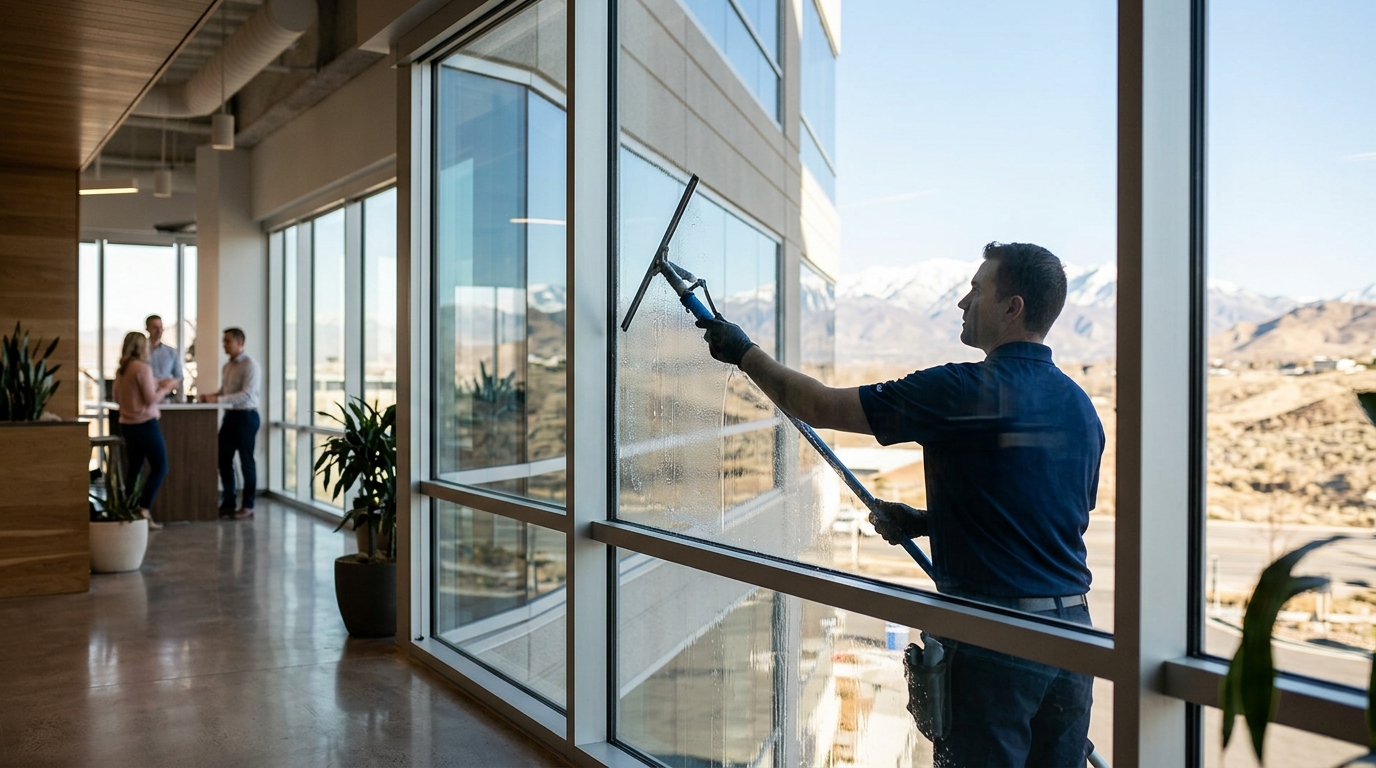
Commercial property managers in Utah face unique challenges when maintaining building exteriors. The state's distinct climate, characterized by high altitude, intense UV exposure, and seasonal dust storms, accelerates the accumulation of grime on glass surfaces. According to industry data, businesses that maintain clean windows see a measurable increase in curb appeal and employee morale, with some reports suggesting a productivity boost of up to 15% in well-lit environments. This guide outlines the most effective window cleaning methods tailored for commercial properties in the region. (House Cleaning Layton Utah)
Understanding the Utah Environment
Utah's geography plays a critical role in how quickly windows become soiled. The state experiences significant seasonal variations, from heavy snowfall in the winter to dry, dusty winds in the spring and summer. These conditions necessitate a cleaning approach that goes beyond simple rinsing. (bountiful cleaning service Resources)
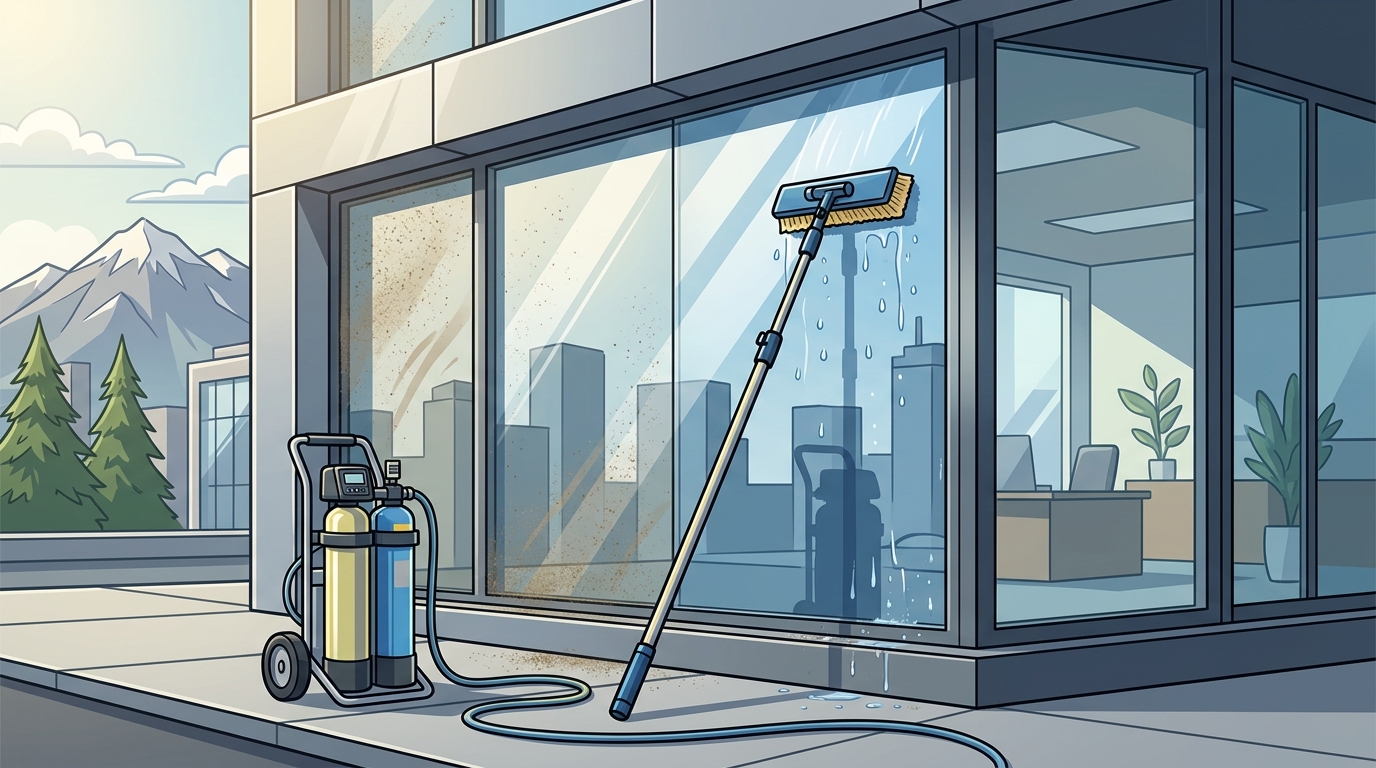
Hard water deposits are a common issue in many Utah municipalities. When water evaporates on glass, it leaves behind mineral residues that can etch the surface over time if not removed promptly. Effective cleaning requires not just dirt removal but also the prevention of these mineral stains. Professional services often utilize deionized water systems to eliminate this risk entirely, ensuring a streak-free finish without chemical residues. (Centerville Cleaners)
Additionally, the high altitude means that UV radiation is more intense. This can degrade certain cleaning chemicals faster, making it essential to use products that are stable and effective under strong sunlight. Choosing the right cleaning solution is the first step in maintaining a professional appearance for your business.
Essential Tools and Equipment
Using the correct tools is not just about efficiency; it is about achieving a streak-free result that enhances your business's professional image. The following equipment is standard for high-quality commercial window cleaning.
Professional Squeegees
A high-quality squeegee is the primary tool for any window cleaner. For commercial applications, a channel squeegee with a replaceable rubber blade is preferred. The width of the squeegee should match the size of the window to minimize the number of passes required. A wider squeegee covers more surface area, reducing the time spent on each pane.
Extension Poles
For windows that are out of reach from the ground, extension poles are indispensable. These poles allow cleaners to reach heights of 20 feet or more without the need for ladders. Modern extension poles are lightweight yet durable, often made from carbon fiber or aluminum, and can be adjusted to various lengths for different building heights.
Microfiber Cloths and Buckets
Microfiber cloths are essential for detailing and drying edges. They trap dirt and moisture effectively without leaving lint behind. Buckets should be dedicated to cleaning solution and rinse water to prevent cross-contamination. Using a scrubber or wash sleeve attached to the squeegee handle allows for efficient washing before squeegeeing.
Step-by-Step Cleaning Technique
The effectiveness of window cleaning depends heavily on the technique used. A systematic approach ensures that no spots are missed and that the final result is pristine.
Preparation and Washing
Start by removing loose debris from the window frame and sill. This prevents dirt from falling onto the wet glass during the cleaning process. Mix your cleaning solution according to the manufacturer's instructions. For commercial buildings, a mild detergent mixed with water is often sufficient. Apply the solution using a scrubber or wash sleeve, working from the top of the window to the bottom.
Squeegeeing Process
Begin squeegeeing at the top corner of the window. Pull the squeegee across the glass in a straight, overlapping stroke. After each stroke, wipe the blade with a dry microfiber cloth to prevent streaks. Overlap each stroke slightly to ensure complete coverage. For large windows, work in sections, moving from one side to the other.
Drying and Detailing
After squeegeeing, use a dry microfiber cloth to wipe the edges of the window and the frame. This removes any remaining water droplets that could cause streaks or damage the frame over time. Pay special attention to the corners and edges, as these areas are prone to water pooling.
Safety and Access Protocols
Safety is paramount when cleaning windows on commercial properties. Falls from height are a leading cause of injury in the cleaning industry. Therefore, strict adherence to safety protocols is non-negotiable.
Ladder Safety
If ladders must be used, ensure they are in good condition and placed on stable ground. The ladder should extend at least three feet above the roofline or landing point. Always maintain three points of contact with the ladder while climbing or descending. Never overreach from a ladder; instead, move the ladder to reach the next section.
Height Safety
For windows above the second story, consider using suspended scaffolding or boom lifts. These platforms provide a stable working environment and reduce the risk of falls. Ensure that all operators are trained and certified in the use of this equipment. Regular inspections of the equipment are also necessary to ensure it is in safe working order.
Chemical Safety
When using cleaning chemicals, wear appropriate personal protective equipment (PPE), including gloves and eye protection. Ensure that the area is well-ventilated, especially when using strong detergents or solvents. Follow the safety data sheets (SDS) for all products used.
Recommended Cleaning Frequency
The frequency of window cleaning depends on several factors, including the location of the building, local pollution levels, and weather conditions. However, a general guideline can help businesses maintain their appearance.
| Building Type | Recommended Frequency | Key Considerations |
|---|---|---|
| Urban Office Buildings | Quarterly | High pollution and dust levels require more frequent cleaning. |
| Retail Stores | Monthly | Clean windows attract customers and enhance product visibility. |
| Suburban Offices | Semi-Annually | Lower pollution levels allow for less frequent cleaning. |
| High-Rise Buildings | Quarterly | Requires specialized equipment and trained personnel. |
Regular maintenance not only keeps your building looking good but also extends the life of the windows by preventing the buildup of corrosive substances. For businesses in Utah, considering the seasonal dust storms, increasing frequency during spring and summer months is advisable.
Key Takeaways
- Utah's climate demands specialized cleaning methods to combat hard water deposits and dust.
- Professional squeegees and extension poles are essential for achieving streak-free results.
- A systematic washing and squeegeeing technique ensures comprehensive coverage.
- Safety protocols, including ladder safety and height safety, are critical for commercial cleaning.
- Regular cleaning frequency depends on the building type and local environmental factors.
- Deionized water systems can prevent mineral staining on glass surfaces.
- Professional services offer expertise in handling complex commercial cleaning challenges.
Frequently Asked Questions
How often should I clean the windows of my commercial building in Utah?
For most commercial buildings in Utah, quarterly cleaning is recommended. However, retail stores may benefit from monthly cleaning to maintain curb appeal, while suburban offices might only need semi-annual cleaning.
What is the best method for cleaning high-rise windows?
High-rise windows are typically cleaned using suspended scaffolding or boom lifts. This method ensures safety and allows cleaners to reach difficult areas effectively.
Can I clean commercial windows myself?
While small businesses with ground-level windows can clean them themselves, high-rise or complex commercial buildings require professional services due to safety risks and the need for specialized equipment.
How do I remove hard water stains from windows?
Hard water stains can be removed using a vinegar and water solution or a commercial hard water stain remover. For persistent stains, professional polishing may be necessary.
Why is deionized water used in window cleaning?
Deionized water is used because it lacks minerals that can leave spots or streaks on glass. It ensures a completely clean and streak-free finish without the need for drying.
What safety equipment is required for window cleaning?
Safety equipment includes harnesses, lanyards, and anchor points for height work, as well as gloves and eye protection for chemical handling. Ladder safety is also critical for lower-level cleaning.
How does window cleaning affect employee productivity?
Clean windows allow more natural light into the workspace, which has been linked to improved mood and productivity. A well-lit environment can reduce eye strain and fatigue among employees.
Ready to Enhance Your Business Appearance?
Maintaining clean windows is essential for any business looking to project a professional image. At Cove Cleaning, we specialize in commercial window cleaning services across Utah. Our team uses the latest equipment and techniques to ensure your windows are spotless and streak-free. Contact us today to schedule a service and experience the difference professional cleaning can make for your business.